
Culver City Neighbors by Block
Looking up Culver City neighbors works best as a block inventory with one source assigned to each fact. The city parcel GIS can show parcel units and, in the observed current layer, owner and mailing fields. County assessment data supplies the AIN and building or value clues. Permits show work tied to a site. Reverse directories show names only for the publication year. A voter status check belongs to the person checking it, and a broad voter file is purpose-limited. Association pages can provide public contact paths without exposing member rolls.
| Source | What It Shows About a Block | Access |
|---|---|---|
| Culver City Accela_XAPO GIS | Adjacent parcels, situs and mailing fields, owner fields, use, zoning, values, building, sales, and hazards | Official ArcGIS layer; 1,000 records per response |
| LA County Assessor parcel | AIN, situs, use, improvements, values, exemptions, and legal-description clues | Free address/AIN portal; owner omitted in parcel view |
| Assessor parcel map | Assessment shape and parcel relationship | Free map; not a boundary survey |
| Voter verification or approved file | A person’s own status, or regulated fields in an approved request | Four matching inputs or statutory application; no public street browse |
| Reverse directories | Publication-year names or subscribers tied to an address | LAPL and Library of Congress scans; years and communities vary |
| Permits and associations | Work history, public contacts, meetings, and community routes | City portal or request; public association pages; no member roster located |
The official layers show land connections, not every person present in a dwelling. Mailing may point elsewhere, a permit may name an applicant, and a reverse-directory entry may reflect one subscriber. Those limits matter when a block search moves from parcels to people.
Select a Culver City Neighbor Parcel
Start with the subject parcel. Use the Culver City ArcGIS map viewer to reach the address, then record stable fields before looking outward. A visual walk suits a small block; a query is better for a repeatable result.
- Turn on the City Boundary, Parcels, and Addresses layers. Use the address or place search to reach the subject.
- Click the subject parcel and save its AIN or formatted APN, situs fields, jurisdiction, and center position.
- Read owner or second-owner fields, mailing equivalents, zoning, use, building, sales, and exemption fields as separate clues.
- Pan and zoom to click parcels that touch the subject or sit across the street. Record each parcel separately rather than blending names.
- For a wider radius, use the service’s geometry and distance query, narrow the result, and paginate before treating the set as complete.
For a full named-street record chain after the block is clear, use the Culver City street directory workflow. The block method stays focused on adjacent parcels and the community layer.
Build a Culver City Neighbor Radius
A distance query makes the map walk reproducible. Accela_XAPO supports standardized SQL, ordering, distinct values, spatial geometry and distance, pagination, and return extent. Begin with the subject parcel, request a narrow distance, return the extent, and inspect each record. Add JURISD='CC' when the goal is an incorporated-city block.
The response ceiling is 1,000 records. A broad query reported exceededTransferLimit: true, so filter by street, jurisdiction, extent, or distance and paginate. Keep the query date and settings because this is a current city endpoint, not a permanent promise that every field stays visible.
Distance identifies nearby assessment features, not fence lines, title boundaries, or survey facts. Use the legal description and a qualified survey or land-record channel when a boundary matters.
Culver City Neighbor Situs Fields
Neighbor research fails when situs and mailing fields are treated as one. Situs is the physical parcel address; mailing is the destination for assessment correspondence. The city layer keeps separate number, direction, street, unit, city, state, and ZIP fields, plus owner, assessee, legal, sales, improvement, and exemption fields. The county parcel page omits owner and mailing in its public detail.
A different mailing address can suggest correspondence goes elsewhere, but never proves an owner is absent from a Culver City parcel. An LLC, trust, office, or PO box may explain it. The Homeowners’ Exemption is a separate clue requiring ownership and principal residence on January 1. It does not identify all occupants, and its absence proves nothing about the people in the home.
Keep the AIN, legal description, situs, mailing field, and date checked in separate columns. That simple habit prevents a block list from turning a tax-mail destination into a claim about a neighbor.
Culver City Neighbor Boundary Checks
Municipal boundaries are a key part of a Culver City neighbors search. Culver City incorporated at 1.203125 square miles, or 770 acres, on September 17, 1917, then grew to roughly five square miles through more than forty annexations. A city context study counts 33 annexations from 1948 to 1977. The result is an irregular edge where a postal city, parcel custodian, and city department may not match.
Verify the delivery label with the USPS ZIP Code Lookup, then check the city boundary and jurisdiction field. ZIP Code 90230 reaches Fox Hills and western or southern areas while extending outside the city. ZIP Code 90232 covers central and eastern areas while also crossing the wider municipal context. A small 90066 city-edge relationship is another reason to check the parcel instead of inferring the custodian from the mailing line.
The Culver City map collection adds annexation and regional context. For a block lookup, the parcel layer’s city styling and JURISD='CC' filter are more useful than a postal label. They show which parcels are inside the city’s current record-keeping responsibility and which are not.
Culver Crest Block-Captain Clues
Neighborhood associations add a human contact layer that parcel records cannot. Culver Crest’s public information describes a community of more than 500 people and points to a board, dues, minutes, and block captains. That is useful for a neighborhood-history question, a civic concern, or a reunion route. It is not a public list of every person connected to a particular street or parcel.
The Culver City neighborhood services entry is the official navigation point for local groups and community contacts.
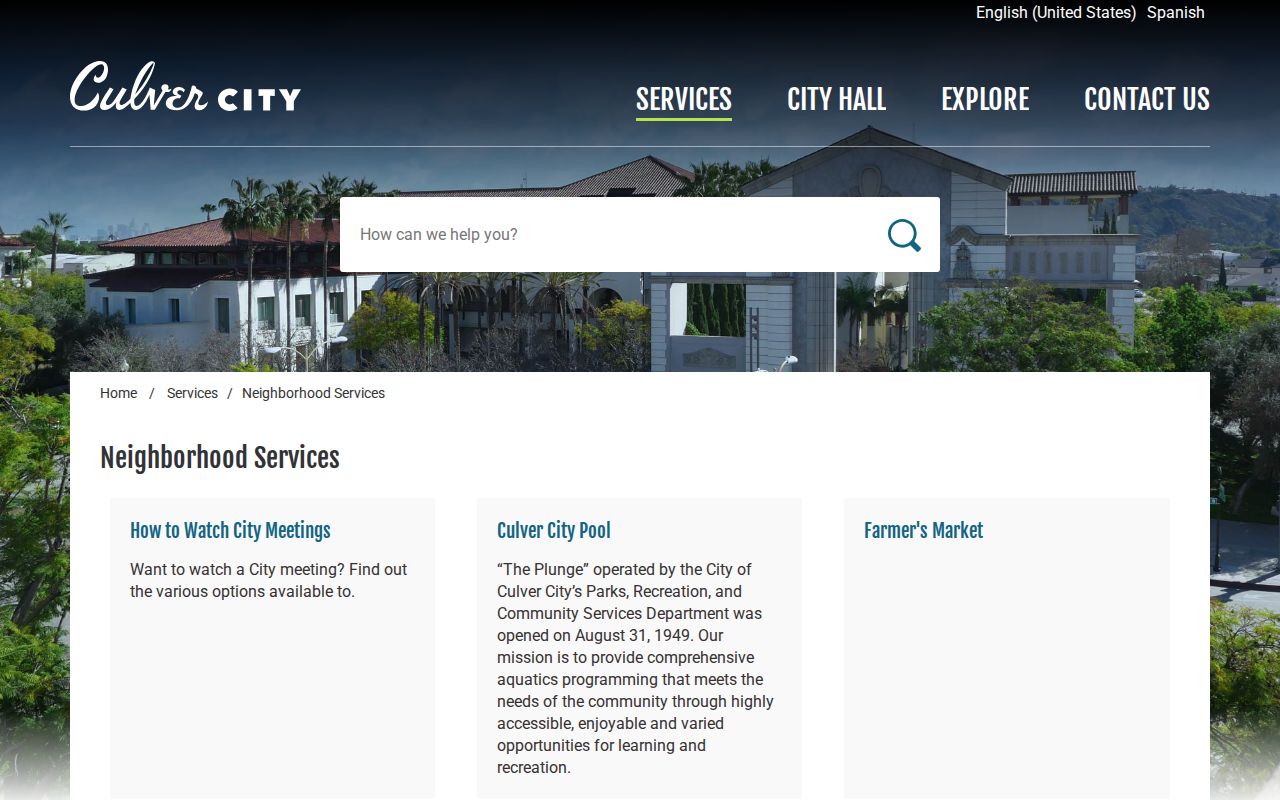
The city resource page helps identify a group, while the group’s own public notices determine whether a contact, meeting, or board route is current.
Block-captain information should be treated as an organizational contact path. Dues rolls, email lists, and private member details remain with the association unless the organization chooses to publish them.
Culver City Neighbor Contacts
Culver City neighbors are also described through Fox Hills, Lindberg Park, and the area historically called Studio Village. Public pages can show events, watch information, committees, news, or a way to send a message. They do not establish that a named person lives on a block. Rancho Higuera appears in the city’s local-agencies navigation, but its current destination and join status were not verified.
| Association | Public Route | Directory Status |
|---|---|---|
| Culver Crest | culvercrestna.org public community information | Board and block-captain material; no resident roster located |
| Fox Hills | fhnacc.org events, watch, contact, and email signup | No member directory located |
| Lindberg Park / Studio Village | lindbergpark.org committees, news, and neighborhood information | No roster located |
| Rancho Higuera | City Local Agencies entry | Current destination and join status unverified |
The Fox Hills neighborhood association page is the source for the public events and contact route shown in the table.
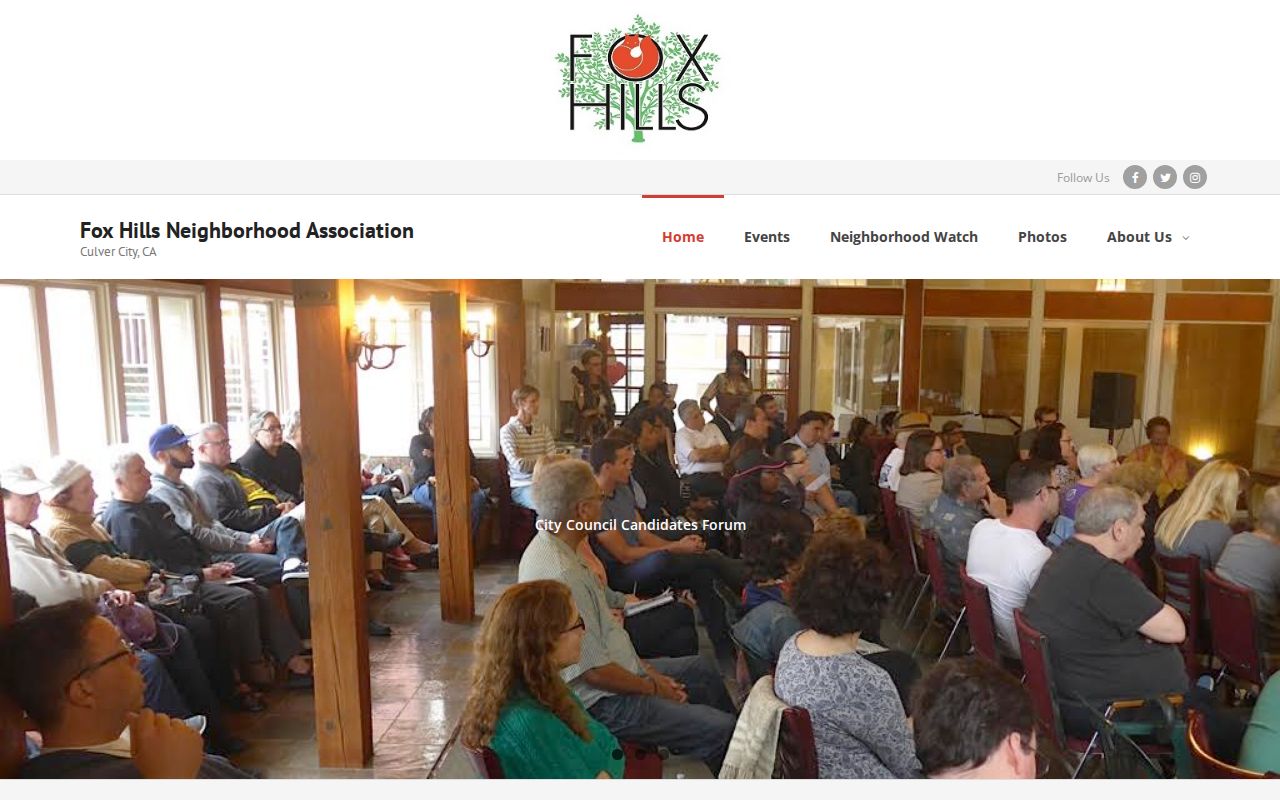
That page provides a community channel, not a block roster.
The Lindberg Park neighborhood page preserves the public committees and news route for the area also known historically as Studio Village.
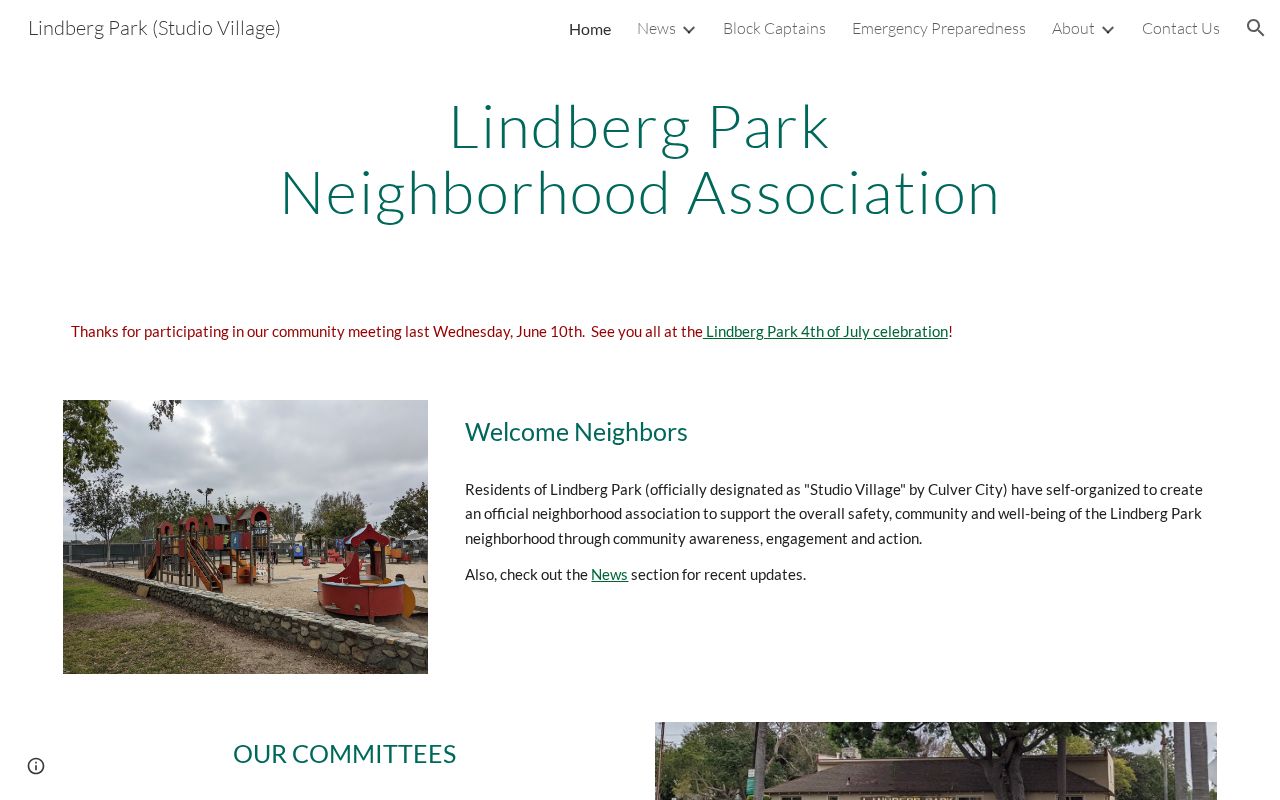
Public neighborhood activity can help place a local inquiry, but it should not be expanded into a private member list.
Note: A board page or event notice is a contact route, not proof that a named person belongs to a particular household.
Culver City Voter Limits for Neighbors
California does not provide an open voter-by-street screen for Culver City neighbors. The LA County self-service verifier asks for Last Name, Birthdate in mm/dd/yyyy form, residence House Number, and ZIP Code. A matching user can confirm a registration record and related election information. A failed match can reflect a mismatch, and the form is not a way to browse unidentified people on a block.
Full-file access is limited by Elections Code sections 2188 and 2194, Government Code section 7924.000, and 2 CCR section 19001 and following. A statewide file request is published at $100. A specific-voter request costs $30 per record up to $100, covers no more than ten identified voters, and states 7 to 14 business days. The application asks for identities, contacts, statutory purpose, credentials where needed, a security plan, selected files, delivery details, photo ID, acknowledgments, and a wet signature. The rule expressly excludes unidentified people who merely match a condition such as everyone on a street.
Approved voter files can include name, date of birth, registration date, residence and mailing address, precinct, contact fields, party preference, and status. History can show election, date, and method, never ballot choice. Driver-license data, SSN fragments, unique identifiers, signatures, protected voters, and confidential Safe at Home addresses are excluded from ordinary delivery.
The LA County voter-information request rules show why a block lookup cannot be converted into a public neighbor list.
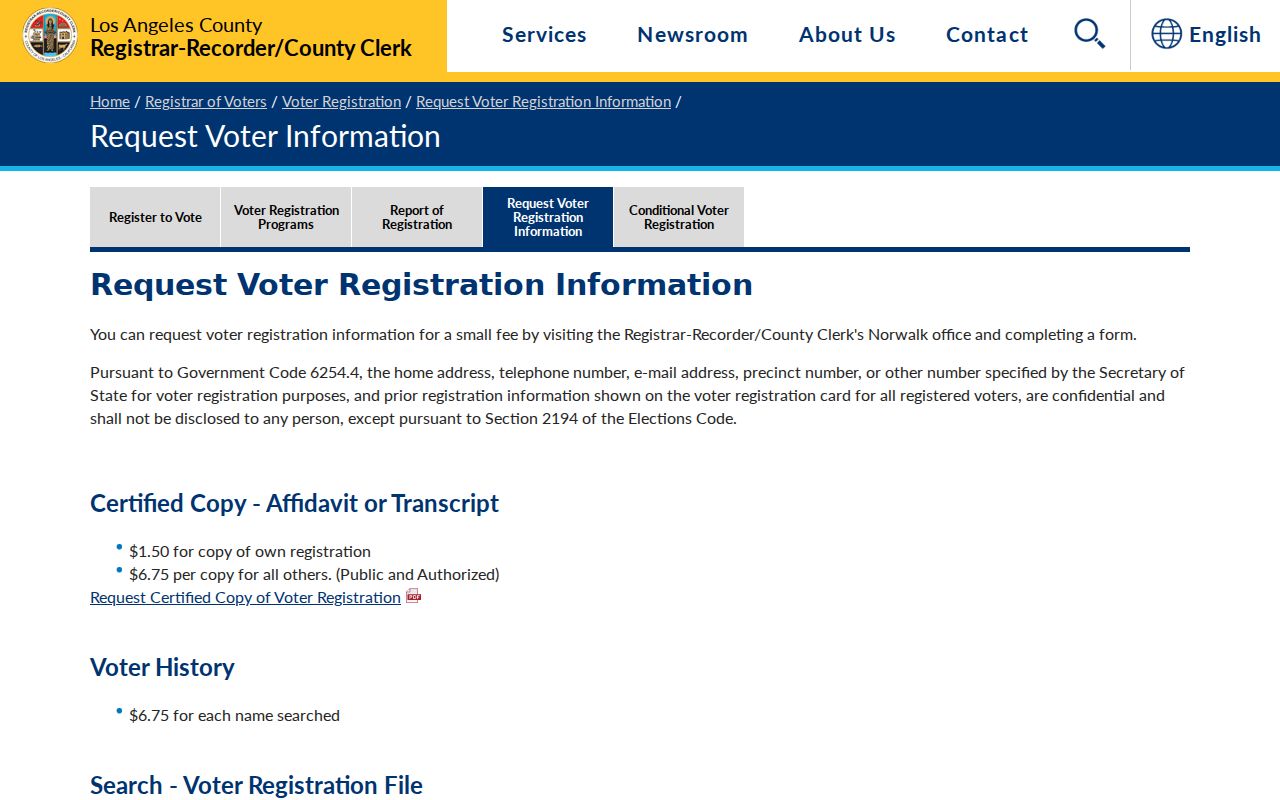
The voter record is a regulated election record and should remain in that narrow context.
Culver City Records Versus Neighbor Tools
Commercial neighbor tools may look simpler because they combine parcel, directory, marketing, and other feeds into a single result. Their convenience does not make them a custodian. Compare the source behind a claim before using it to reconnect with someone, check a civic contact, or understand a property’s history.
| Category | Strength | Limit |
|---|---|---|
| Official city or county record | Named fields, source office, parcel key, status, and access rules | May omit non-owner occupants, protected people, or current changes |
| Public association page | Board, events, committees, contact route, or public notices | No general member roster located for the Culver City groups reviewed |
| Commercial compilation | May gather several public and nonpublic feeds into a lead | Can merge names, repeat old addresses, and lack a reliable custodian trail |
A current city GIS field should be checked against the Assessor and, when title matters, the RR/CC document. A community page should be checked with the organization. A compiled result should be treated only as an unverified lead until the originating record answers the question.
What Culver City Neighbors Records Omit
A block search does not expose every person connected to a dwelling. Non-owner occupants, household members, utility customers, delivery records, and restricted DMV address data are outside the ordinary parcel trail. Association email lists, dues records, and block-captain details are private unless voluntarily published. Reverse directories also omit unlisted people and represent only their publication year.
California’s Safe at Home program provides eligible participants with a substitute mailing address, mail forwarding, confidential voter registration, and related protections under Government Code sections 6205 to 6216. The program is designed for survivors of domestic violence, stalking, sexual assault, child abduction, elder or dependent-adult abuse, and human trafficking. It protects an address through several systems, but it is not invisibility: a real-property purchase can still expose a legal description. The Secretary of State Safe at Home information explains the boundary.
Lawful use. Culver City neighbor research is appropriate for personal, lawful curiosity, family history, civic contact, and personal safety awareness. Do not use parcel, voter, association, or directory clues to stalk, harass, intimidate, or harm anyone.